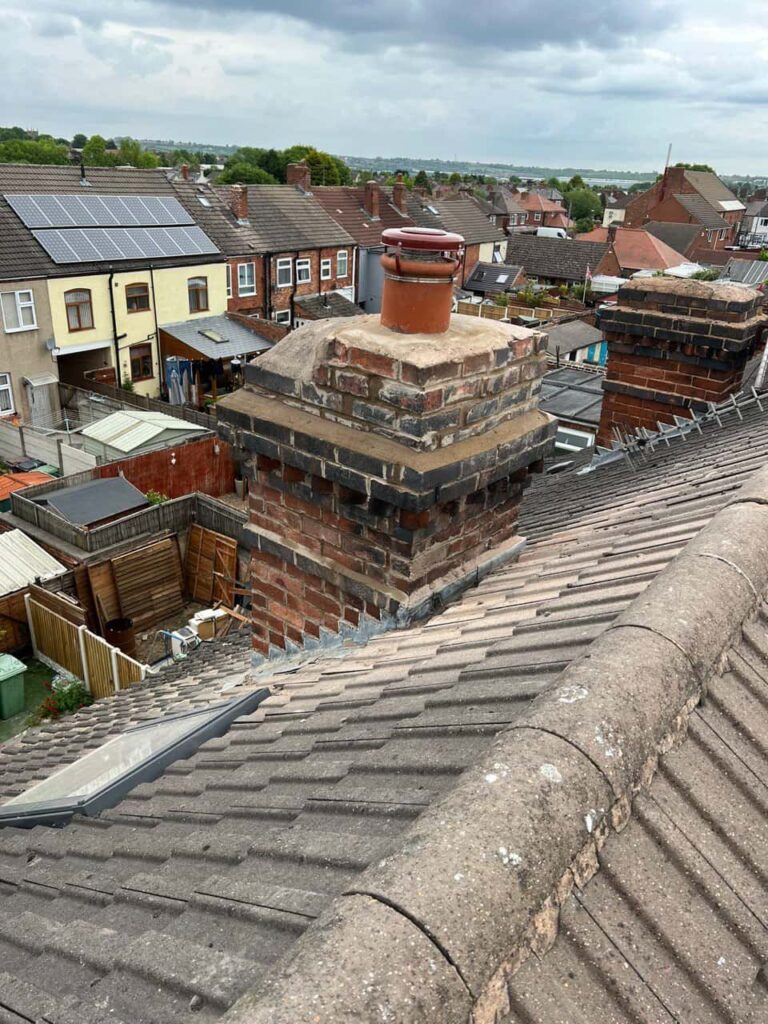
A roof is constantly exposed to changing weather conditions, and the effects can become more noticeable as it gets older. Rain, wind, frost and prolonged periods of damp weather can gradually affect roof tiles, pointing, flashing and other components.
Weather damage does not always result in an obvious leak straight away. Small defects can develop gradually before eventually allowing water into the roof structure. For homeowners in Cottingham, East Riding of Yorkshire, understanding how weather can affect an older roof can help identify problems before they become more extensive.
How Does Weather Affect an Older Roof?
Heavy Rain Can Expose Existing Weaknesses
Rain itself does not necessarily damage a well-maintained roof, but persistent or heavy rainfall can reveal weaknesses that have developed over time.
Damaged or displaced tiles, deteriorated pointing and defective flashing can allow water to penetrate areas that should remain protected. On an older roof, these components may already have experienced years of exposure, making regular inspection particularly important.
Strong Winds Can Move Roof Tiles
Older roof coverings can become more vulnerable to wind as fixings deteriorate or tiles become loose. Strong gusts can move individual tiles or create gaps between sections of the roof covering.
A displaced tile may appear to be a relatively minor problem, but the opening it creates can expose the underlying roof structure to further weather.
After periods of strong winds, it is sensible to look for visible signs such as missing or slipped tiles, particularly if the roof has already shown signs of deterioration.
Frost Can Worsen Small Defects
Water can enter small cracks or damaged areas of roofing materials. When temperatures fall, trapped water can freeze and expand, potentially making existing defects worse.
Repeated freeze-and-thaw cycles can gradually contribute to the deterioration of vulnerable roof materials. This is one reason why small cracks or damaged tiles should not simply be ignored.
Persistent Damp Can Affect Roof Components
Prolonged damp conditions can contribute to the deterioration of roofing components, particularly where water is unable to drain properly.
Blocked or poorly functioning gutters can also allow water to remain against roof edges and related areas for longer than intended. Keeping drainage systems clear is therefore an important part of maintaining an older roof.
Weather Can Accelerate Pointing Deterioration
Mortar pointing around ridge tiles and other areas can deteriorate gradually through repeated exposure to rain, wind and temperature changes.
Once pointing becomes cracked, loose or eroded, water may find easier routes into vulnerable areas. Deteriorated mortar can also reduce the stability of certain roof components.
Professional assessment can determine whether isolated repairs are appropriate or whether more extensive work is required.
What Signs of Weather Damage Should You Look For?
Some problems can be identified from ground level, although a roof should not be accessed without suitable safety measures.
Look for:
- Missing, cracked or slipped roof tiles
- Damaged or deteriorating mortar
- Sagging areas of the roofline
- Water marks or damp patches inside the property
- Damaged flashing around roof features
- Overflowing or damaged gutters
- Signs that roof materials have become loose
A single issue does not necessarily mean the entire roof needs replacing. The important step is understanding the extent and cause of the damage.
Can an Older Roof Be Repaired After Weather Damage?
In many cases, weather-related damage can be addressed through targeted repairs. The appropriate solution depends on the age and condition of the roof, the type of damage and whether the underlying structure remains sound.
Replacing individual damaged tiles, repairing defective pointing or addressing flashing problems may be appropriate where the rest of the roof remains in reasonable condition.
However, if weather damage has affected a large proportion of an already deteriorated roof, a more comprehensive assessment may be necessary. Carrying out repairs without identifying the wider condition of the roof can leave underlying problems unresolved.
For homeowners in Cottingham, East Riding of Yorkshire, a professional roof inspection can help establish what work is actually required.
How Can Weather Damage Be Reduced?
Regular inspections can help identify small defects before they develop into larger problems. Keeping gutters and drainage channels clear can also help prevent unnecessary water-related issues.
It is particularly useful to have an older roof checked after periods of severe weather. Identifying slipped tiles, damaged pointing or defective flashing early can make it easier to determine the appropriate course of action.
Routine maintenance does not prevent every weather-related problem, but it can help an older roof remain in better condition for longer.
Conclusion
Weather can gradually affect an older roof through repeated exposure to rain, wind, frost and damp conditions. Small defects may become more serious if they are left unaddressed, potentially affecting the roof’s ability to keep the property protected.
For homeowners in Cottingham, East Riding of Yorkshire, checking for signs of weather damage and arranging professional advice when problems appear can help determine whether repairs or more extensive work are appropriate.
If you are concerned about the condition of an older roof, TRP Roofing Cottingham can assess the roof and discuss any repairs that may be required. Contact us to arrange an assessment.
Call us on: 01482 251 799
Click here to find out more about TRP Roofing Cottingham
Click here to complete our contact form and see how we can help with your roofing needs.